If you have heard about hyperbaric oxygen therapy and wondered whether it is worth looking into, you are not alone. It has become more visible in sports medicine conversations over the last few years, and a lot of the information out there swings between overclaiming and dismissing it entirely.
This post explains what the therapy actually involves, what the evidence supports, and how it fits into rehabilitation at Performe.
What Is Hyperbaric Oxygen Therapy?
Hyperbaric oxygen therapy, often referred to as HBOT, involves breathing oxygen inside a pressurised chamber. The air pressure inside is raised above normal atmospheric levels, which allows your lungs to take in significantly more oxygen than they would under standard conditions. That oxygen then dissolves into your blood plasma and gets carried throughout the body, including to areas with limited circulation.
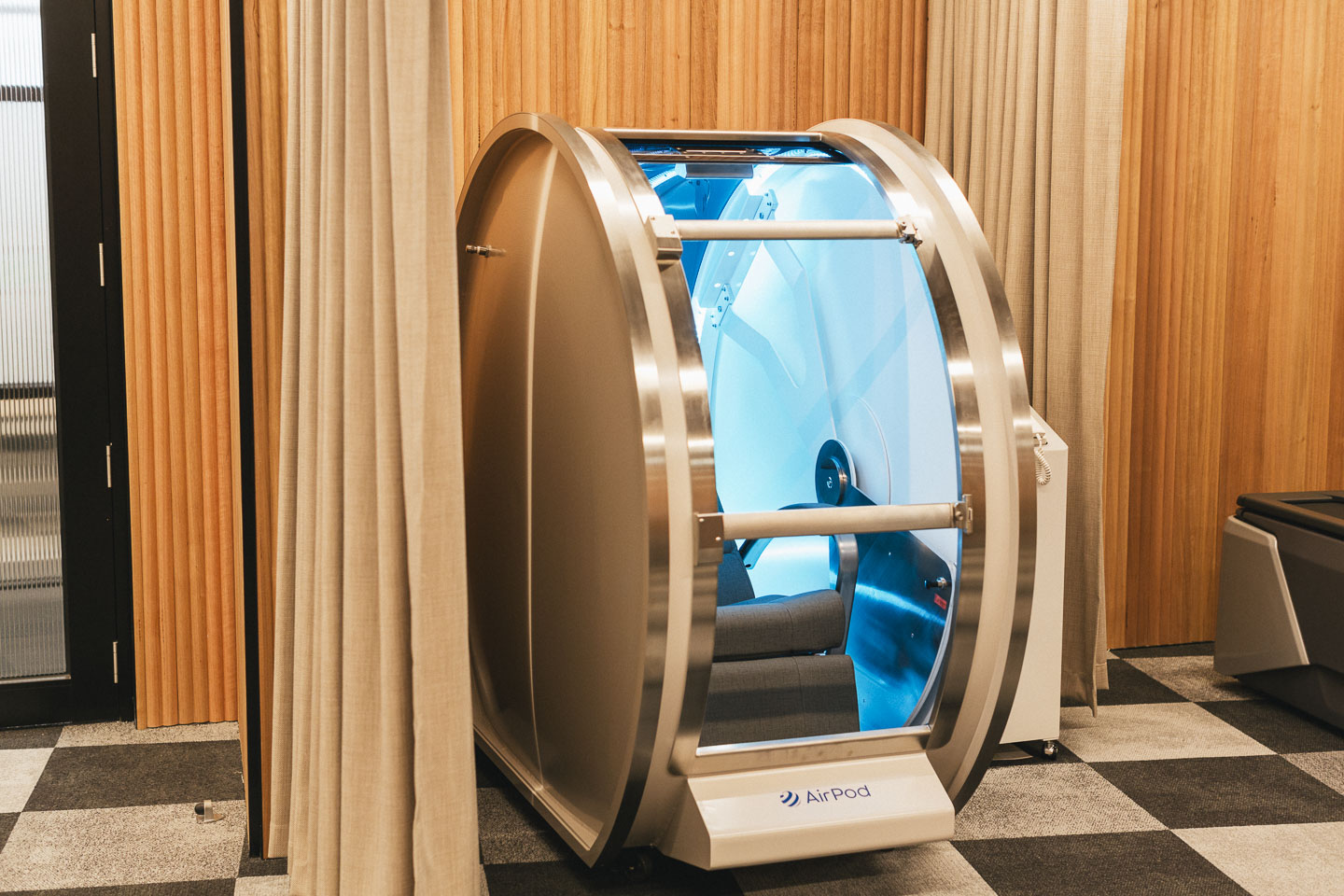
At Performe, we use an Aipod chamber for this. Sessions typically last between 30 and 60 minutes, and patients remain comfortable throughout. There is no discomfort from the process itself, and you can rest or simply sit quietly during the session.
Why Oxygen Matters for Healing
Tissue repair is an oxygen-intensive process. When an injury occurs, the damaged area needs oxygen to rebuild cells, fight off infection, and reduce inflammation. In many injuries, particularly those involving post-surgical trauma or deeper soft tissue damage, blood flow to the area is compromised. This is precisely where HBOT has shown its most consistent value.
By increasing the concentration of oxygen in the bloodstream well beyond what normal breathing achieves, HBOT helps get oxygen to tissues that are struggling to receive adequate supply. This can support the body's own repair mechanisms rather than replacing them.
What the Evidence Actually Supports
HBOT has been an established medical treatment for decades in specific contexts. Its use in wound healing, infection management, and decompression illness is well documented and widely accepted in clinical settings.
In sports medicine, the picture is more nuanced. The research supports HBOT most clearly in situations involving:
- Post-surgical recovery, where tissue healing and swelling management are priorities
- Bone stress injuries, where oxygen supply to the repair site plays a meaningful role
- Soft tissue injuries with significant inflammation or slow healing progression
- Wound healing complications following orthopaedic procedures
The evidence for HBOT as a standalone performance accelerator in routine muscle soreness is less established. At Performe, our practitioners are straightforward about this. We use HBOT where there is a clear clinical reason and where it fits into a broader rehabilitation program, not as a standalone fix or a premium add-on with no purpose.
How HBOT Fits Into Rehabilitation at Performe
HBOT at Performe is one part of a broader recovery offering that includes the Alter G treadmill, cryotherapy, dry float bed, clinical pilates, and recovery boots. You can read more about the full range of our recovery services on the Performe website.
The value of having multiple modalities available is that your rehabilitation can be built around what your injury actually needs, rather than fitting you into a standard protocol. A practitioner might recommend combining HBOT sessions with physiotherapy appointments and targeted exercise rehabilitation, depending on where you are in your recovery.
Our sports physiotherapy team works closely with patients using HBOT to ensure sessions are timed appropriately within the overall rehab plan. Equally, our doctors and specialist surgeons can advise on whether HBOT is clinically indicated for your specific presentation.
Who Might Benefit from HBOT?
HBOT is not the right fit for every injury or every patient. It tends to be most relevant for people who are:
- Recovering from orthopaedic surgery, including knee or shoulder procedures
- Dealing with a bone stress injury that is taking longer than expected to resolve
- Managing a soft tissue injury with significant swelling or circulatory compromise
- Navigating post-surgical complications that are slowing the healing timeline
During your initial consultation, your practitioner will discuss whether HBOT makes sense as part of your program. There is no pressure to include it simply because it is available.
Practical Details for Performe Patients
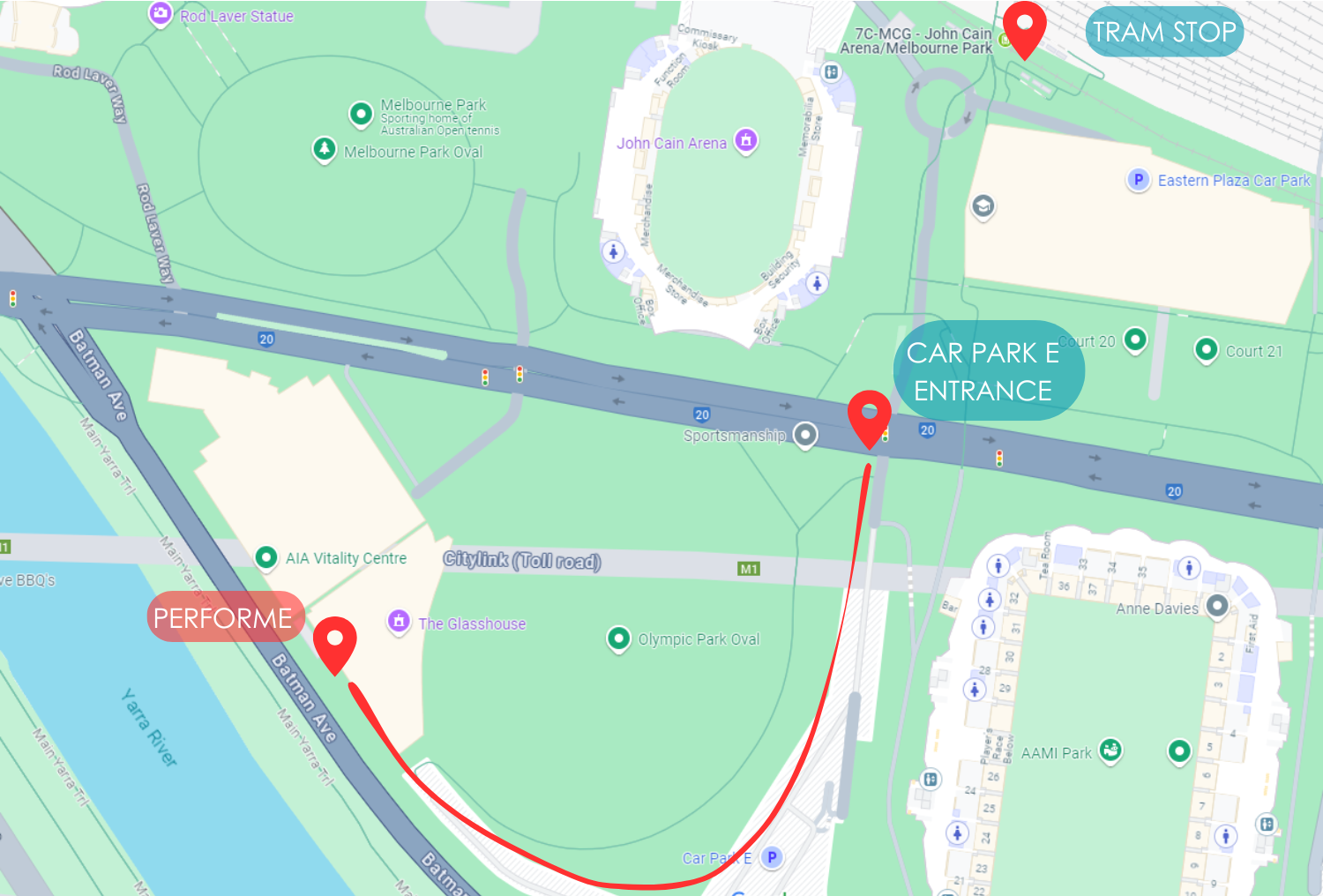
HBOT sessions at Performe take place at our KGM facility at 20 Olympic Boulevard, Melbourne. The space is designed around rehabilitation and recovery rather than a wellness spa model, so the environment reflects what we are actually trying to achieve clinically.
Sessions are typically integrated into a broader appointment schedule rather than treated as drop-in sessions. If you are already seeing one of our practitioners and want to explore whether HBOT would be appropriate for you, the best starting point is raising it at your next appointment or contacting the clinic directly.
To book an initial appointment or speak to our reception team, visit our contact page or call us on 03 8412 0048.
A Straightforward Summary
Hyperbaric oxygen therapy is a legitimate clinical tool with real evidence behind it in specific injury contexts. It is not a miracle treatment and it is not right for every situation. At Performe, it is offered as part of a broader, individually designed rehabilitation program, guided by practitioners who have worked at the highest levels of sport and understand what recovery actually requires.
If you want to understand more about how we approach recovery, you can explore our full team on the Meet the Team page or browse our services to see the range of what we offer.