A step-by-step return to sport protocol after concussion isn't optional, it's the difference between a clean recovery and a prolonged, complicated one with consequences that extend well beyond the playing field. Returning to sport too soon after a concussion doesn't just risk another knock, it can turn a manageable injury into something far more serious. This structured, evidence-based progression is designed to bring athletes back safely, one stage at a time.
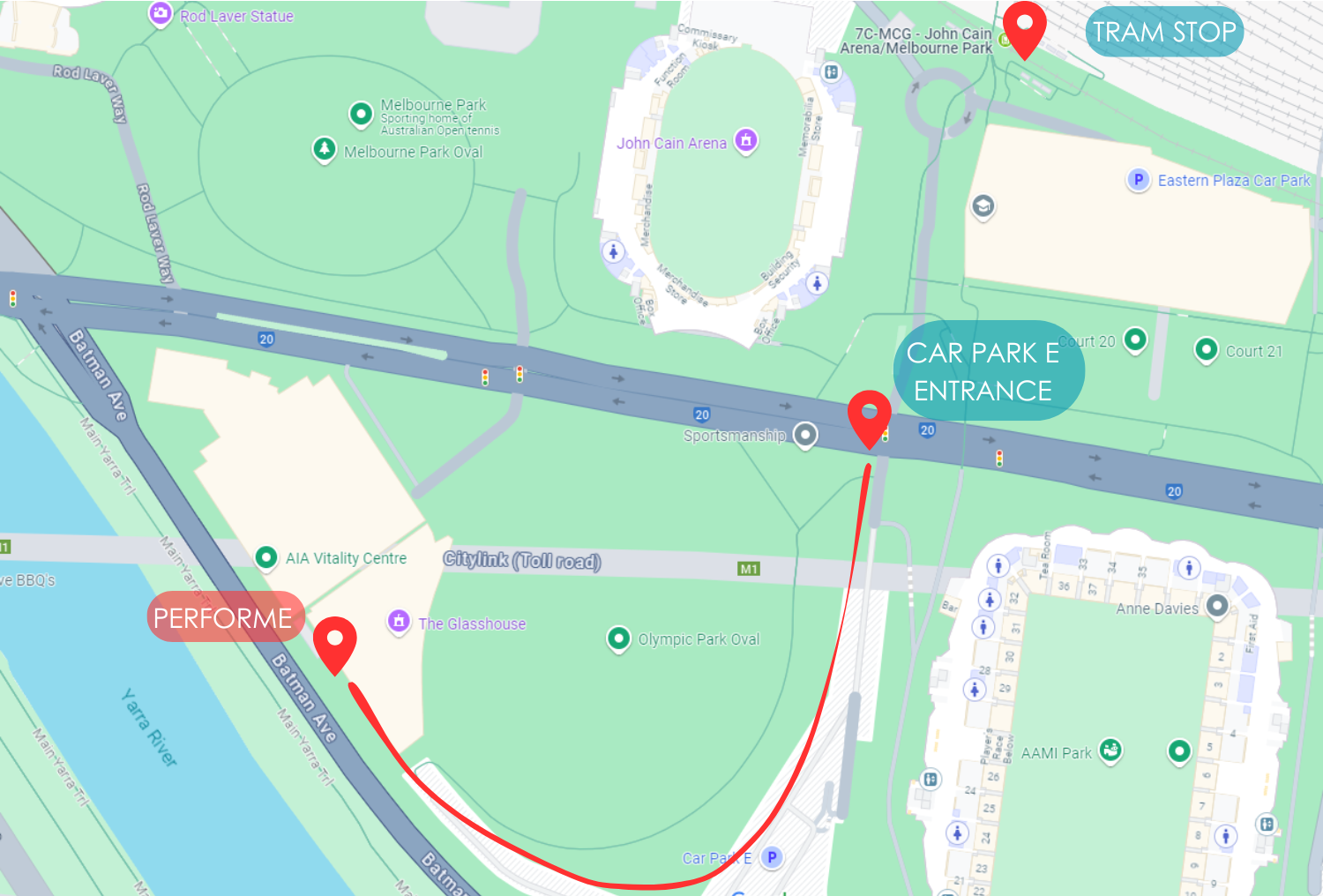
Australian concussion guidelines are deliberately conservative, particularly for youth and community sport, grounded in the biology of brain injury rather than any administrative caution. Whether you're managing a community footballer, a junior netballer, or an endurance athlete at any level, the same fundamental principles apply. At Performe Sports Medicine, located alongside Olympic Park Oval in Melbourne, concussion assessment and management services are delivered by a multidisciplinary team including sports medicine doctors, APA-titled physiotherapists and experienced Sports Psychologists with elite sports backgrounds, all working to structured protocols consistent with current Australian concussion guidelines. By the end of this article, you'll understand every stage of the graded return-to-sport process, what it takes to progress, and when involving a clinician isn't optional.
Why a graded return matters (and why rushing it backfires)
Unlike a sprained ankle, concussion involves temporary neurological disruption: energy deficits, axonal stress, and altered cerebral blood flow. The brain's recovery window doesn't correspond with how the athlete feels on any given morning, and this is the core problem with symptom-based self-assessment. An athlete can feel completely fine and still be in a vulnerable phase where a second impact carries disproportionate risk.
The most serious consequence of premature return is second impact syndrome, a rare but potentially fatal condition that occurs when a second concussion is sustained before the first has fully resolved. Even without a catastrophic outcome, skipping concussion recovery stages can lead to prolonged symptoms, extended time away from sport, and a greater psychological burden on the athlete. The staged protocol isn't bureaucratic caution. It reflects the biological reality of how concussed brains heal, and that makes it a firm clinical requirement.
The step-by-step return to sport protocol after concussion: six stages explained
The Australian concussion return-to-sport protocol follows six distinct stages. Each stage has a minimum duration, usually 24 to 48 hours, and must be completed without symptom recurrence before the athlete advances. If symptoms return at any stage, the athlete steps back to the previous stage and waits until symptom-free again before reattempting.
Stage 1: relative rest (24 to 48 hours)
No structured physical or cognitive activity for the first 24 to 48 hours after the concussion. This means no training, no screens, no heavy reading, and no mentally demanding work. Absolute rest beyond this initial window is no longer recommended. Brief, gentle daily movement is acceptable once the acute phase has passed.
Stage 2: light aerobic exercise
Walking, light cycling on a stationary bike, or low-intensity swimming, with no resistance training and no sport-specific activity. The goal is to elevate heart rate slightly and test exertional tolerance without aggravating symptoms. This stage is specifically designed to confirm the brain can handle light physical demand before progression; the athlete must complete it symptom-free for a minimum of 24 hours before moving forward.
Stage 3: sport-specific exercise
Running drills, skating patterns, or similar sport-specific movement, but with no head-impact risk whatsoever. Exercises involve body movement and coordination relevant to the athlete's sport without any contact or collision component. Minimum duration is 24 to 48 hours, completed symptom-free.
Stage 4: non-contact training drills
Higher-intensity training, including passing drills, skill work, and team-based exercises, but still with no contact. This is where the athlete re-integrates into group training under coach and clinician observation. The cognitive and physical load increases significantly here, making symptom monitoring especially important. Minimum 24 to 48 hours, symptom-free throughout.
Stage 5: full contact practice (requires medical clearance)
The athlete must receive written medical clearance from a qualified medical practitioner before entering this stage, medical clearance is required by Australian sport policies and there are no provisions for bypassing it. Full-contact training at normal game-like intensity tests the athlete's readiness for competition conditions. A minimum of 24 hours symptom-free following clearance is required before advancing to competition.
Stage 6: return to competition
The athlete is cleared for full competitive play. Australian guidelines set minimum timeframes that apply alongside, not instead of, symptom resolution requirements. For community sport athletes and those under 19 years of age, competitive contact sport should not resume before 21 days post-concussion and until the athlete has been symptom-free for at least 14 days. Some adult sport-specific codes, such as Rugby Australia, apply a minimum of 12 days, but community sport frameworks generally apply the 21-day rule across the board.
How to know when you're ready to advance
The symptom rule is simple, but it requires honesty
The athlete must complete each stage without any return of symptoms, both during the activity and for a reasonable period afterward. Symptoms to monitor include headache, dizziness, nausea, brain fog, blurred vision, feeling slowed down, and difficulty concentrating. If any symptom returns, even mildly, the athlete stops and returns to the previous stage. During the acute phase, there is no pushing through concussion symptoms.
Exertion tolerance and objective clinical assessment
Moving into the contact stages is not a decision the athlete makes alone. Qualified clinicians may use structured assessments including the SCAT6 (Sport Concussion Assessment Tool, 2024 edition) and the Child-SCAT6 for younger athletes, alongside neurological examination and exertional testing, to confirm readiness. Baseline comparisons, cognitive testing, balance assessments, and vestibular and ocular motor evaluation all contribute to an objective clinical picture that symptom self-reporting simply cannot provide.
Before a medical practitioner signs off on Stage 5, several things must be confirmed: the athlete is symptom-free at rest and during exertion, the graded protocol has been successfully completed, neurological examination shows no deficits, and the athlete has returned to normal school or work function. For persistent or complex cases, additional assessments may be required before clearance is granted.
Red flags that mean stop immediately
Warning signs that require same-day emergency care
Some symptoms after a concussion are not part of normal recovery. They indicate a potentially serious neurological event and require emergency care without delay. If an athlete experiences any of the following, activity stops immediately and emergency services should be contacted:
- A headache that worsens rapidly or is described as the worst of their life
- Repeated vomiting, loss of consciousness, or difficulty being roused
- Seizures, or one pupil noticeably larger than the other
- Slurred speech, sudden confusion, or disorientation
- Arm or leg weakness, facial drooping, or stroke-like symptoms
These are not wait-and-see situations. Call 000 or go directly to an emergency department, do not wait for symptoms to settle on their own.
When worsening symptoms during RTP stages warrant clinical review
There's an important distinction between symptoms that mean "step back a stage" and symptoms that mean "call the clinic or go to emergency today." Worsening rather than stable symptoms during any stage of the protocol, particularly worsening headache, significant balance disruption, or cognitive deterioration, should prompt a same-day call to the supervising clinician rather than independent management at home. Stable mild symptoms during an early stage may indicate the need to repeat that stage; escalating symptoms are a different matter entirely.
Special rules for children, adolescents, and repeat concussions
Why youth athletes follow more conservative timelines and how return to school fits in
For athletes under 19 years of age, Australian guidelines require a minimum of 14 days symptom-free at rest before contact training begins, and at least 21 days post-concussion before competitive contact sport. Critically, the 14-day symptom-free clock starts when the athlete becomes symptom-free, not from the date of injury. That distinction matters considerably in practice.
Children must also return to school before returning to sport. The return-to-learn protocol runs in parallel with physical progression: starting with brief periods of reading and homework at home, moving to partial school days with accommodations, then progressing to full school days before the more demanding physical stages of the protocol are completed. A child who cannot sustain a full school day cognitively is not ready for full training. Both pathways are governed by the same principle: advance based on symptom tolerance, and don't rush either track.
What repeat concussions change about the protocol
A second concussion within three months triggers a significantly more conservative approach. Australian youth and community sport guidelines recommend a minimum of 28 days symptom-free before returning to contact training, and at least six weeks from the most recent concussion before competitive contact sport. These athletes require more thorough clinical evaluation before any stage progression, and the involvement of a sports medicine specialist, rather than a GP alone, is strongly recommended for ongoing management.
Why specialist oversight changes the outcome at every stage
Moving through a concussion recovery protocol without professional guidance introduces real risk. A trained sports medicine physician, physiotherapist, or exercise physiologist with concussion management experience brings objective assessment tools, documented baseline comparisons, and clinical judgement that can distinguish a normal recovery fluctuation from a warning sign requiring intervention. The multidisciplinary team contributes to thorough, staged assessment, and it is a qualified medical practitioner who provides the formal clearance required before Stage 5. Without that clearance, the athlete cannot proceed to contact training under Australian sport policies.
Clinician-supervised return to sport also creates a documented record of the athlete's recovery trajectory. In cases of future concussions, the history of prior injuries, recovery timelines, and clearance decisions all factor into risk assessment. For elite, semi-professional, and serious community athletes, this documentation is increasingly expected by governing bodies and insurers alike. At Performe Sports Medicine, the team's structured, multidisciplinary approach means athletes receive continuity of care from initial assessment through to final competition clearance, not a piecemeal process managed across multiple disconnected providers.
Getting back to sport the right way
This graduated return-to-sport process is not a bureaucratic hurdle. It's a medically grounded system that gives the brain the time and conditions it needs to recover properly. The six stages, relative rest, light aerobic activity, sport-specific movement, non-contact drills, full contact with medical clearance, and competitive return, exist because the evidence on concussion recovery demands them.
Timelines exist for a reason, red flags are real, and children need a parallel return-to-school pathway before sport resumes. None of these steps should be skipped or compressed based on how an athlete feels on a given day, because the brain's recovery doesn't announce itself clearly in the mirror each morning.
If you're managing a concussion, whether your own or your child's, the safest path through is with a specialist who can assess, guide, and formally clear you at each stage. Performe Sports Medicine offers exactly that level of structured, evidence-aligned concussion care. Book a concussion assessment and get back to sport the right way.